
Why the doors in Seaport’s new buildings need repair work
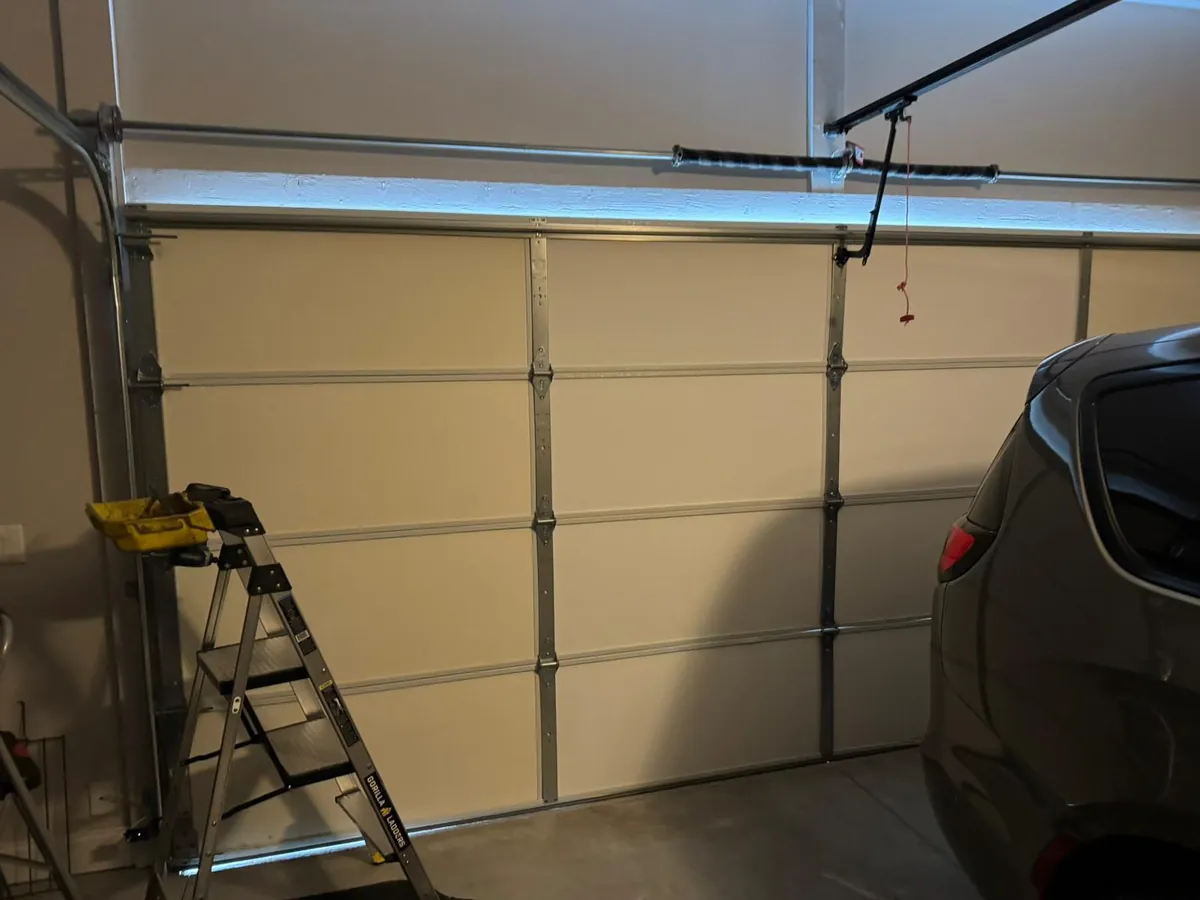
Seaport has almost no private garages. The housing here is new construction, and the cars live in structured parking built into or beside each building, so the door that matters is not a single-car door at the end of a driveway but a commercial overhead door at the parking entrance, and a loading-bay door at the back where deliveries and moves come in. Garage door repair Seaport MA residents and building managers ask about nearly always means one of those two doors, and both behave very differently from a house door.
A parking-entrance door opens for every car that comes and goes, all day and much of the night. A loading-bay door takes knocks from trucks, carts and pallets. Each is heavier and wider than a residential door, carries stronger springs and a more powerful operator, and is tied into the building’s access arrangements. When one stops, it is not one household that is stuck but a whole building.
From a safe distance, and without touching any part of it, note three things before you call:
- Where the door has come to rest: down, up, or somewhere between, and whether it hangs square or tilted.
- Whether the operator makes any sound at all when the door is called, or is completely silent.
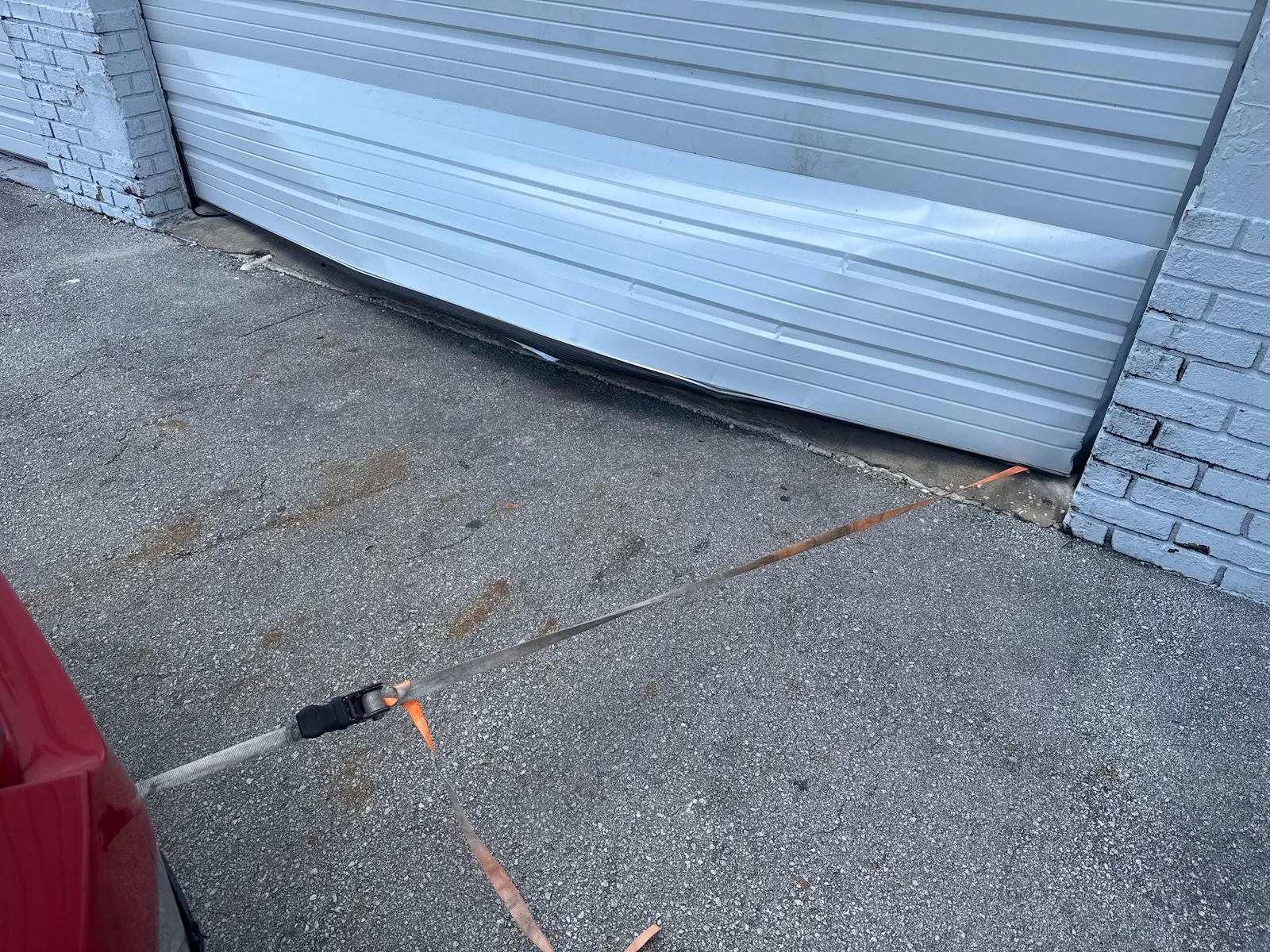
- Whether anything has hit the door: a scraped bottom section, a bent track, a kinked slat on a roll-up.
What a repair on these doors can cover
Springs on heavy doors
A wide commercial door is lifted by large torsion springs on a shaft above the opening, or by a spring inside the barrel of a roll-up. When one fails, the door is far too heavy for the operator to move. The details are on the Seaport spring repair page.
Cables and drums
Lift cables carry the spring’s pull to the bottom corners. On a door that cycles all day they wear where they wrap the drums, and a frayed or snapped cable lets the door hang crooked.
Sections, slats and panels
A sectional door’s panels dent and crack when a vehicle clips them; a roll-up’s slats kink and stop curling into the barrel. Damaged pieces can often be replaced on their own.
Operators, remotes and wall controls
The motor unit, its limits and force settings, the wall station and the remotes. Opener faults have their own page for Seaport opener repair.
Tracks, rollers and guides
Worn rollers, loosened track brackets and guides bent by a reversing vehicle, up to a door whose rollers have left the tracks altogether.
Safety sensors
The photo eyes across the opening and any edge sensor on the bottom of the door. On a busy ramp they are knocked, splashed and coated in road grime.
How a parking-entrance door differs from a house door
A residential door in a detached garage may open a handful of times in a day. The door at the mouth of a residential building’s parking structure opens for every resident’s car, every visitor, every service vehicle and every delivery van that is allowed underneath. That number of cycles changes what wears out and how quickly. Rollers flatten, hinges loosen, cables wear at the drums, and springs reach the end of their life on a timescale measured in months of heavy use rather than years of light use.
The door is also bigger. Parking entrances are usually wide enough for two lanes or for a tall delivery vehicle, so the sections are longer, the shaft above the opening is heavier, and the springs that balance it hold far more stored energy. The operator is a commercial unit rather than a ceiling-mounted trolley opener, often mounted to the side of the door on the shaft itself.
And the door is part of a system. It may be triggered by a card reader, a fob, a remote, a loop in the ramp that senses a car, or a security desk. It may have a timer that closes it after each car. It may share a ramp with a gate or a second door further in. When it fails, the question is not only which part has broken but which part of the system has stopped talking to the rest.
Loading-bay doors and what they put up with
The second door most Seaport buildings depend on sits at the loading dock or service entrance. Residents moving in and out, furniture deliveries, building supplies, waste collection and retail deliveries for any ground-floor tenants all come through it. A loading-bay door is often a roll-up of interlocking steel slats that coils into a barrel above the opening, or a heavy sectional door running in tracks up to the ceiling.
These doors are rarely broken by age. They are broken by contact. A truck backed in slightly too far, a pallet jack swung into the bottom of the opening, a cart pushed under a door that has not finished rising. A roll-up’s bottom bar is bent, a slat is kinked and stops coiling cleanly, or a guide is knocked out of line so the slats bind on the way up. A sectional door gets a crushed bottom panel, a sprung hinge or a track pushed sideways at floor level.
Small damage left alone on a loading door gets worse with every cycle. A kinked slat that catches in the guide tears its end locks; a bent track forces the rollers to climb out. Reporting a knock when it happens, rather than when the door stops, usually keeps the repair to a part or two.
Building access and the freight elevator
In a house, a repair starts when someone opens the garage. In a Seaport building, it starts with access. The visit has to be cleared with building management or the concierge desk, the technician needs a way past the access control and down to the right level, and the work area has to be made safe while cars and residents keep moving around it.
The freight elevator governs much of this. Parts for a commercial door are long and heavy: springs, shafts, track lengths, door sections, ladders and lifting gear. Where a door is on an upper parking level or at a dock reached through the building, everything goes up or down in the freight elevator, and that elevator is often booked for moves and deliveries. Fixing a time with management, and reserving the freight elevator when parts have to travel through the building, is what lets a repair run in one visit instead of two.
It helps to have the following ready when you call:
- The name and contact for whoever manages the building or its parking.
- The door in question, the parking level, and the route to it.
- Whether the freight elevator needs to be booked and who books it.
- Whether the door is stuck open, stuck shut or partly open.
The parts behind a working commercial door
Whether the door is a sectional or a roll-up, garage door repair in Seaport comes down to finding the weak point in one chain of parts.
The counterbalance does the lifting. On a sectional door, torsion springs on a shaft above the opening store energy while the door comes down and release it on the way up. On a roll-up, the springs sit inside the barrel the curtain coils around. In both cases the springs hold the door’s weight so that the operator only has to move a balanced load. A failed spring leaves the operator and cables carrying everything a big steel door weighs.
The cables and drums connect the springs to the door. Every cable is wound on a drum at one end of the shaft and anchored low on the door’s edge, at the bottom fixing. On a heavy door that runs many times an hour, the cable is the part that tells the story of wear first: broken strands where it wraps the drum, or a drum groove worn rough.
The tracks, rollers and guides keep the door moving in a straight line. Sectional doors ride on rollers in vertical and horizontal tracks; roll-ups run their slat ends in vertical guides. A guide or track that is out of line by a small amount causes binding that the operator works against on every cycle.
The operator moves the balanced door and stops it at its open and closed limits. Its safety devices, the photo eyes across the opening and any sensing edge on the bottom bar, send it back up if anything blocks its path.
What a visit involves
The first thing done on site is to make the area safe: cones or a person stationed so that no car tries the ramp while the door is being worked on, and the operator isolated so it cannot be triggered by a card reader or a remote halfway through.
Then the door is assessed by hand where it is safe to do so. With the operator disconnected, a balanced sectional door can be raised partway and should hold roughly where it is left; one that drops or will not lift has a counterbalance problem. On a roll-up, the barrel tension and the way the curtain coils tell the same story.
Next comes the hardware: springs, cables and drums, rollers and hinges or slats and end locks, tracks or guides and every bracket that holds them to the structure. In a new building the structure is usually sound, but a vehicle strike can move a track bracket or a jamb guard, and that has to be put right before a new part goes in.
Where the operator is part of the complaint, it is tested on its own, then with its wall control, then with the building’s trigger devices. Both photo eyes are checked, along with the edge sensor if the door has one.
You, or the building manager, are then told what has failed, why it failed and what else is close to it. No part is swapped before that conversation. With the work finished, the door is rebalanced, the operator’s limits and force are set for the repaired door, and the door is shown to reverse on an obstruction before cars are let back onto the ramp.
What a building can check, and what it must leave alone
Some first steps are safe and can save a visit:
- If the door is stuck partway, stop anyone from triggering it again. Many commercial operators have a disconnect or a stop button on the wall station; use the stop, not the manual release.
- Look at both photo eyes. On a parking ramp they are low and easy to knock out of line or to cover with road dirt. Wipe the lenses and check the small indicator lights on each.
- Try the door from its own wall control. If it runs from there but not from cards, fobs or remotes, the fault is in the triggering side rather than the door.
- Check that nothing is parked, stored or dropped in the opening.
Leave alone anything that carries the door’s weight. The torsion springs, the shaft and its winding cones, the cables, the drums and the bottom brackets stay loaded at all times, raised or lowered, and on a wide commercial door that load is very large. Let go in the wrong sequence, it can fling a winding bar or a cable end hard enough to cause serious injury. Spring and cable work on these doors is not a DIY repair and not a job for general building maintenance either. Nobody should heave at a door with a snapped spring, or reach for the manual chain or release once the door is out of balance.
A door stuck open or stuck shut
A parking door stuck shut traps residents’ cars inside and leaves deliveries waiting at the dock. A door stuck open leaves the parking structure unsecured. Both need dealing with, but neither is helped by repeatedly triggering the door, which is how a failed spring turns into a burnt-out operator or a bent shaft.
Garage door repair in Seaport MA buildings is often called in at an awkward hour for exactly this reason: the door fails at the end of a busy evening or before the morning rush. Whatever the hour and whatever the day, a person picks up our phone, so the failure goes on record the moment someone spots it. For a door that cannot be left as it is overnight, see Seaport emergency repair for what the building should do in the meantime.
Doors knocked out of their tracks
On a parking ramp, a door can be knocked off its tracks by a car that noses under before the door has finished rising, by a tall vehicle that catches the bottom section, or by an operator still pushing a door that is already stuck. On a loading dock, a truck or a pallet does the same. Once rollers leave the track, or slats leave the guide, the door hangs unevenly and can drop.
The repair starts by securing the door and relieving its weight, then straightening or replacing bent track or guide, refitting the rollers or slat ends, and matching the tension in the two cables before power goes back on. On a door this size it is a job for clamps, a lift or proper staging, and at least two people. How a derailed door is brought back into line is set out under off-track garage door repair.
Repair or replace
Most Seaport doors are young, and for a young door the answer is almost always repair. Springs, cables, rollers, hinges, slats and the bottom seal are wear parts on any door, and on a heavily used parking door they are expected to need renewing. Replacing them restores the door to normal service.
A different answer comes up when the damage is to the door itself rather than its hardware. A sectional door with several crushed sections, a roll-up curtain with many kinked slats, or a door whose operator and counterbalance are both worn out may be better replaced as a unit. Garage door repair Seaport MA properties get from us starts with an honest assessment of which side of that line the door is on. Where a new door is the better choice, the new garage doors in Seaport page explains how a replacement is planned around the building’s access and its freight elevator. For commercial door work across the city, see commercial garage doors.
Getting the door looked at
Our garage door repair service page sets out the work city-wide, while Seaport gathers every service we offer here.
For garage door repair Seaport MA buildings need, have the building contact, the door’s level and the access route ready, describe what the door is doing and anything that has hit it, and say whether cars are trapped inside. Then call us or book online, naming the building.
Questions from Seaport
Our parking door opens partway and stops. What usually causes that?
On a heavy commercial door, the most common cause is a broken spring or a cable that has come off its drum. The operator senses a load far beyond what it expects and stops. Stop triggering the door and call; running it again strains the operator and the remaining cable.
Can the repair be done while residents still need to use the ramp?
The door has to be out of service while it is worked on, and the area is coned off or watched so no car tries to pass. Agreeing a time with building management in advance lets residents plan around it.
Who should call, the resident or the building?
Usually the building manager, concierge or whoever looks after the parking, since they control access and the freight elevator. A resident who finds the door stuck can call as well; it helps to pass on the manager’s details.
The door works from the wall button but not from fobs or cards. Is the door broken?
Probably not. If the door runs normally from its own wall control, the door and operator are working and the fault lies in whatever triggers it. Mention this on the phone; it points the visit at the right part.
Our loading door was hit by a truck but still opens. Should it be looked at?
Yes. A bent guide, track or bottom bar puts extra strain on every cycle and tends to get worse quickly. Having it checked soon after the impact usually keeps the repair small.