
Replacing a door that faces the street
In Chinatown, a garage door is almost never a homeowner’s double bay at the end of a driveway. It is a street-level roll-up or sectional door in the ground floor of a dense mixed-use building, usually on one of the side streets off Washington, closing off a loading entrance, a storeroom or a service bay. When that door finally wears out, choosing and fitting a replacement is shaped by the opening, the building around it and the daily rhythm of deliveries. New garage doors Chinatown MA projects cover the whole job: the new door supplied and installed, and the old one taken out.
Three questions are worth answering before the first conversation:
- How often the door is opened and closed in a typical day.
- What the space behind it is used for, and how much room there is above and beside the opening.
- When deliveries arrive, and how long the opening can be out of use.
What a new door can be
Rolling steel doors
A curtain of steel slats that coils onto a barrel above the opening, the usual choice for a street-level loading entrance with little room behind it.
Commercial sectional doors
Panels that rise on tracks and slide back under the ceiling, where the space behind the opening allows it.
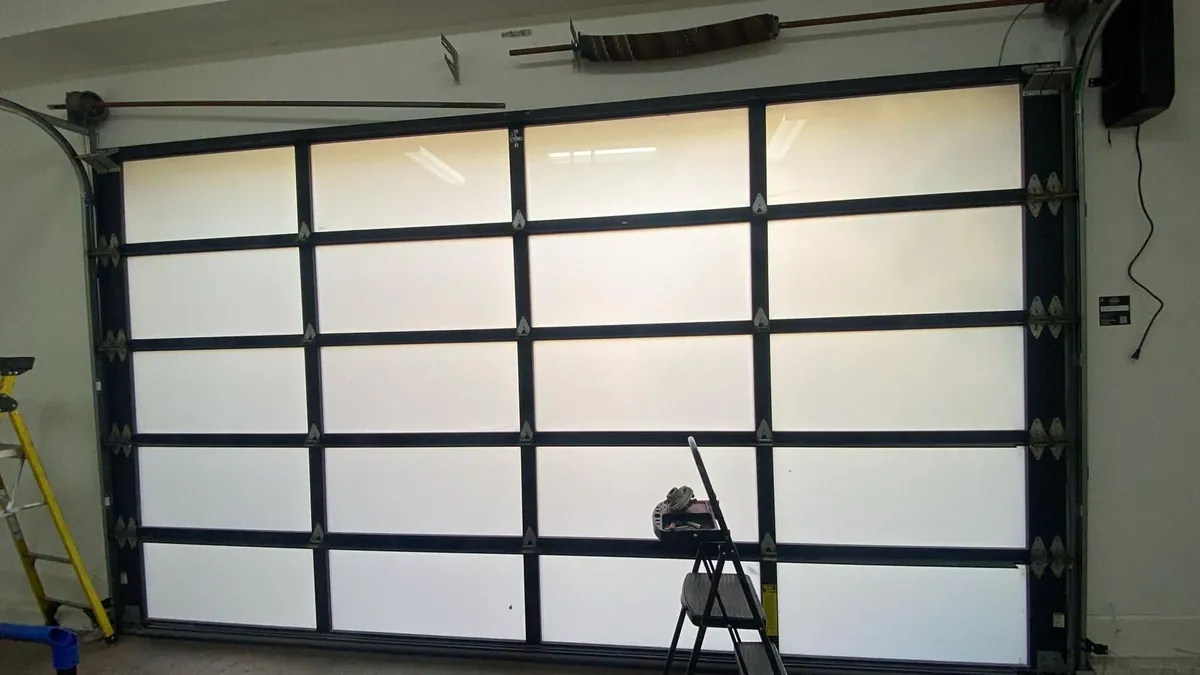
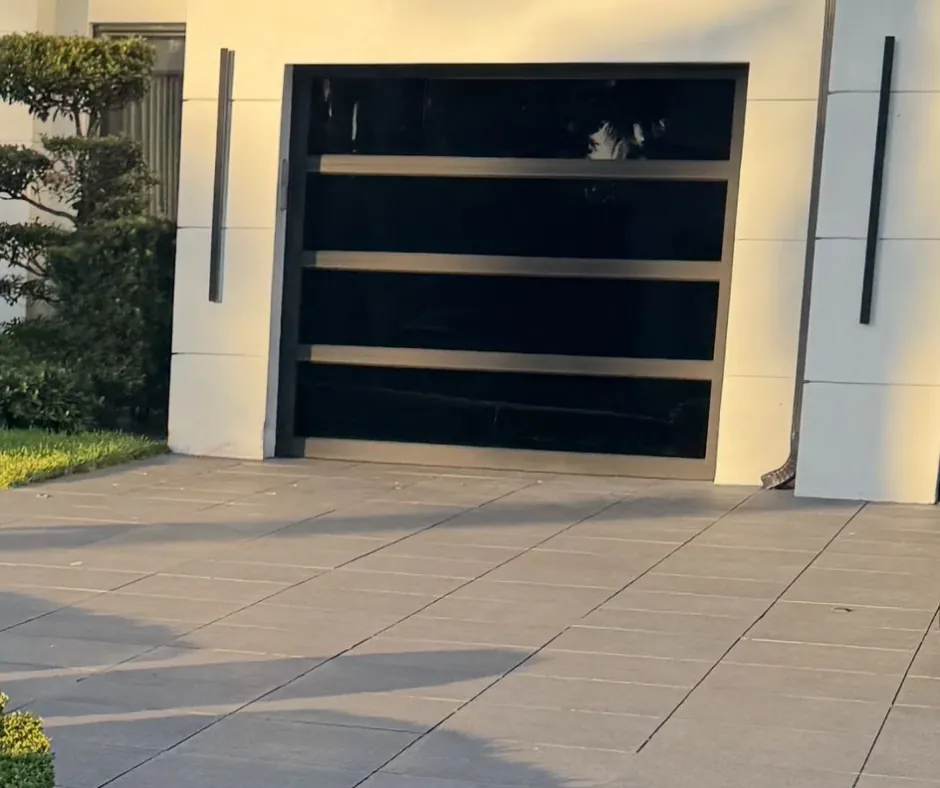
Full view glass doors
Aluminium and glass doors that let light into a ground-floor space while still closing it off.
Operators to suit
A new door can be paired with a new operator, wall station, remotes and safety sensors matched to its size and weight.
Old doors removed
The worn-out door, its barrel or tracks, and its springs are taken down safely before the new door goes in.
When replacement makes more sense than repair
A door that is basically healthy should be mended, not replaced. Fresh springs, swapped slats, a straightened guide or a replacement bottom bar will keep it earning its place. With new garage doors in Chinatown, replacement becomes the better choice when the problems stack up:
- The curtain or panels are rusted through in several places, especially along the bottom where salt and water sit.
- The slats have been creased and patched so often that the curtain no longer runs true in its guides.
- The barrel, guides or tracks are damaged along with the curtain, so a repair would replace most of the door anyway.
- The door has been struck more than once and has never quite run straight since.
- The door no longer suits the opening’s use: too slow, too noisy, too poorly sealed or too awkward for the way deliveries now come in.
If you are torn between the two, our local repair page shows how much mending can achieve, and a visit will tell you plainly whether a repair or a new door is the sensible choice.
Roll-up or sectional for a street-level opening
The choice between a rolling door and a sectional door is mostly decided by the building.
A rolling door needs room above the opening for the coiled curtain, its barrel and the hood that covers them, and room at each side for the guides. It needs nothing behind the opening, which is why it suits a ground-floor storeroom or corridor where the ceiling is crowded with services or there is a floor directly above. It is compact, hard-wearing and handles frequent cycles well.
A sectional door needs headroom above the opening for the track’s curve and a clear run of ceiling behind the opening for the horizontal tracks. In return, it can be insulated, it seals well against the ground and the jambs, and it can carry windows. It suits a bay where the space behind the opening is open and the ceiling is clear.
Many openings in Chinatown’s older brick buildings were not built with either kind of door in mind. Measuring the clear opening, the headroom, the side room and the depth of clear ceiling is the first step on any job, and it often settles the question on its own.
Full view glass on a ground floor
Where a ground-floor opening fronts a street and daylight matters as much as security, a full view door of aluminium frames and glass panels is an option. It runs like a sectional door, on tracks and springs, but lets light into the space when closed. We supply and fit them, and our full view glass doors page goes into more detail.
Measuring the opening
A new door is only as good as its fit. In older masonry, openings are seldom perfectly square, and a lintel or the floor may not be quite level. Before a door is chosen, the opening is measured for:
- The clear width and height of the opening.
- Headroom: how much clear height sits above the lintel before a joist, pipe or slab gets in the way.
- Side room on each side of the opening, for guides, tracks, the spring assembly and an operator.
- Backroom: the clear depth of ceiling behind the opening, for a sectional door’s horizontal tracks.
- The condition of the jambs and header the door will fix to.
- Where power is available for an operator, and where a wall station can go.
Any obstruction, such as a pipe, a duct, a beam or a light fitting, is noted, because it can decide which type of door and which operator will fit.
In dense mixed-use buildings these measurements throw up surprises more often than in a detached garage. A sprinkler pipe may run just above the lintel, a beam carrying the floor above may sit lower than the ceiling around it, or an old door’s fixings may have cracked the brick at one jamb. Finding these at the measuring stage, rather than on installation day, keeps the doorway’s downtime to a minimum and avoids ordering a door that cannot be fitted as planned.
What installation involves
New garage doors Chinatown MA installations follow a set order, and on a street-level opening the sidewalk and the street are part of the plan.
- Planning the day. Loading access and delivery windows set the timetable. The doorway cannot be used during the changeover, so the work is booked when that disrupts the least. Where a service vehicle can stop on a narrow side street is worked out in advance.
- Making the area safe. The sidewalk in front of the opening is kept clear while the work is in progress.
- Removing the old door. The tension in the old springs is released under control, which is the most hazardous step of the whole job and never a DIY task. The curtain or panels, the barrel or tracks and the springs are then taken down.
- Preparing the opening. Jambs and header are checked and prepared so the new guides or tracks can be fixed solidly and square.
- Fitting the new door. Guides or tracks go up, then the barrel and curtain or the panels, then the springs, which are wound to balance the door.
- Fitting the operator and controls. A new operator, wall station, remotes and safety sensors are installed and set up if they are part of the job.
- Testing. Balance is felt by hand, the operator then takes the door through repeated openings and closings, and the reversing system is proved with an obstacle in the doorway.
Living with the door after it is fitted
A new door that is used many times a day still wears. Springs are made for a limited number of cycles, rollers and slat ends wear, and bottom seals tear. A few habits help a new door stay smooth for longer:
- Sweep grit and debris out of the base of each guide or track now and then.
- Wipe the photo eyes when they get grimy, and keep crates out of the doorway.
- Let the curtain come down onto clear ground, never onto a pallet edge.
- Book a look at the door as soon as it begins to labour or judder.
When parts eventually wear, see our local pages on spring replacement and operator faults, and on night-time breakdowns for a door that quits after closing.
Security for a ground-floor opening
A street-level door in a dense block is often the main barrier between a storeroom and the sidewalk outside, and it may be closed and unattended overnight. Security is part of the choice, alongside size and weight. A rolling steel curtain locks down at the bottom bar and, with its slats interlocked in the guides, is hard to force. A sectional door relies on its panels, its track and its operator or lock to hold it shut. Either way, how the door locks, and whether the operator itself holds the door closed when it is not running, are worth discussing before a door is chosen.
The controls are part of security too. Replacing the door also lets you rethink who can open it, and by what means: from a wall station inside, from a key switch outside, from remotes, or a mix. Fewer ways in means fewer things to go wrong, but a door used by several people may need more than one.
Planning around deliveries and neighbours
A door replacement on a narrow side street is a small construction job on a public sidewalk. The new curtain or panels, the barrel, the guides and the operator all have to be brought to the opening, and the old door has to be taken away. The street outside may not allow a vehicle to stop for long, and other buildings on the same block may have their own delivery windows.
Talking through those constraints when the job is booked makes the day go better. Useful things to settle in advance include where materials can be unloaded, whether the opening can be closed off for the whole job or needs to be usable at a particular time, whether there is another entrance goods can use, and whether neighbouring premises share the sidewalk in front of the door. The work itself is planned so that the old door is not taken out until the new one can go in, keeping the time the opening stands empty as short as the job allows.
Insulated or not
Some ground-floor spaces behind a street door are simple storerooms where temperature hardly matters. Others are heated, or sit below rooms that are lived or worked in. A sectional door can be supplied with insulated panels and tight perimeter seals, which helps keep heat in and street noise out. Rolling doors can also be insulated, though the trade-off is a heavier curtain and a larger coil above the opening. Which is right depends on what the space behind the door is used for, and it is a choice to make before the door is ordered.
Weather, salt and a street-level door
A door that opens straight onto the street faces splashes, grit, salt and slush all winter, and sun and rain the rest of the year. The bottom bar and lowest slats or panels take the worst of it. When choosing new garage doors in Chinatown, it is worth thinking about how the bottom of the door will be sealed against the ground, how the bottom bar will stand up to carts and pallets, and how easy it will be to replace a seal or a single slat later on. A door that can be maintained in parts lasts longer than one that has to be replaced in one piece.
Matching the door to how often it runs
A door that opens a few times a week and a door that opens for every delivery all day are different jobs. On a busy loading entrance, the springs, the operator and the curtain or panels all take far more wear, and a door built for light use will need attention much sooner. When a new door is specified, the number of times it is expected to open and close in a typical day is one of the first questions asked, because it shapes the choice of springs and operator as much as the size of the opening does.
For heavy use, the springs can be sized for a longer working life, and the operator can be chosen for continuous duty rather than occasional runs. The bottom bar and guides can be specified to cope with knocks from carts and pallets. None of that changes the look of the door from the street, but it changes how long it keeps running before the first repair.
The old door’s hardware
Removing an old door is more than taking down a curtain. The barrel and its springs, the hood, the guides, the brackets fixed into the brickwork and, on a sectional door, the tracks, cables and shaft all come out. The fixings left in the masonry are checked: some can be reused, others are too corroded or in the wrong place for the new door. Holes and damage in the jambs and header are made good where needed so the new guides or tracks have solid material to fix to.
Noise and the floors above
In a mixed-use building, a ground-floor door can share a ceiling or a wall with rooms above or beside it. A door that rattles, bangs against the ground or has a loud operator carries that noise into the building. Choosing a door and operator that run smoothly, setting the springs so the door is properly balanced, and making sure the bottom bar meets the ground gently all reduce that noise.
Choosing the operator alongside the door
A new door is a natural moment to look at the operator. An old operator that was sized for a lighter door, or one with failing controls, may not suit the new one. Rolling doors here are usually driven by an operator mounted beside the barrel; sectional doors by a ceiling or wall-mounted unit. Either way, the operator is matched to the door’s size, weight and mounting, and LiftMaster openers are among those installed and replaced.
Arranging a new door
To start, describe the opening, the door that is there now, how the space behind it is used and when deliveries arrive. For new garage doors in Chinatown, call us or book online. Our new garage doors page covers new doors across Greater Boston, the commercial garage doors page covers roll-up and sectional doors for businesses, and the Chinatown overview gathers every service in the area.
Questions from Chinatown
Our brick opening is out of square. Can a new door still fit?
In most cases it can. Careful measuring comes first, and the guides or tracks are fixed so the door runs true even when the masonry is not perfectly level or plumb. Some openings need preparation of the jambs or header first.
How long will the opening be out of use?
That depends on the door and the opening, and it is worked out when the job is planned. The work is booked around delivery times so the disruption falls where it matters least.
Is a roll-up or a sectional door better for a ground-floor loading entrance?
A rolling door suits most of them, because it needs no ceiling space behind the opening. A sectional door suits a bay with clear headroom and ceiling depth, especially where insulation or a tighter seal matters.
Can the old door be reused for parts?
Rarely. Springs and curtains are matched to a specific door’s weight and size, and a door that is being replaced is usually worn through. Taking away the old door is included in the work.
Do I need a new operator with a new door?
It depends. Where the current operator is sound and suits the new door’s size and weight, it can be kept. If it is worn, underpowered or lacks working safety sensors, replacing it at the same time makes sense.