
It is late, you press the button to shut the garage, and the door starts down, stops, and rolls back up. Or it does not move at all, the opener light blinks, and the bay stays open to the street. When a garage door won’t close, the reason is usually one of a handful of things, and several of them are safe for anyone to check in a couple of minutes. A few are not, and it helps to know which is which before you start pulling cords or pushing on panels.
Start by watching what the door does
How the door behaves narrows things down quickly:
- It goes down a short way, then reverses to the top. The opener thinks something is in the way, most often a safety sensor problem or the door meeting resistance.
- It does not move at all and the opener light flashes. Again, usually the sensors.
- It only closes while you hold the wall button down. A classic sign of sensors out of line; holding the button overrides them on many openers.
- The motor runs but nothing moves. The drive is not connected to the door, or something has slipped or stripped.
- The wall button shuts it but the clicker does nothing. That is a remote problem, covered in our guide to a remote that will not work.
- The door sits crooked or jammed partway. A cable, spring or rail fault, and not one to force.
Checks that are safe to make
These are hands-off or low-risk, and they solve a good share of cases:
- Look at the safety eyes. Two small units are mounted a few inches off the floor, one on each rail, pointing at each other. If a wheelie bin or a snow shovel has nudged one, it no longer sees the other. Check each has a steady light; a blinking or dark light on one usually means it is out of line. Gently turn it back until the light settles.
- Clean the lenses. Dust, cobwebs, road grime and condensation can block the beam. Wipe them with a soft dry cloth.
- Clear the threshold. Anything in the path, even a leaf pile, a mat or a lump of snow, can trip the sensors or stop the door. Look along the full width.
- Check the wall button lock. Plenty of wall consoles carry a lock switch that shuts out every remote. Make sure it is off.
- Try the wall button. If the door closes from the wall but not the remote, the door is fine and the remote is the issue.
- Check the opener has power. A tripped circuit, a cord knocked out of the ceiling socket, or a power cut will stop everything.
Low sun can also blind a sensor at certain times of day, so a door that refuses only in the late afternoon may simply be dazzled.
What not to do
Never drag the door shut by hand if it hangs unevenly, if a cable looks slack, or if a loud snap came just before it quit. Those point to a spring or cable failure, and the door then behaves unpredictably under its own weight. Leave the release handle alone while the door is raised and the springs or cables look wrong, because the door may come down hard. And never loosen springs, cables or the bottom corner brackets; they are under heavy tension and best left to a technician.
Causes that need a technician
If the checks above do not solve it and the garage door won’t close yet, the likely culprits are mechanical:
A broken spring. The opener cannot control a door that has lost its counterbalance, and many will refuse to run it down. Our guide to a broken spring covers the signs.
A cable that has slackened or snapped. The door may sit lower on one side, and closing it unevenly can pull it out of its rails.
Rollers out of the rail or a bent rail. If any part of the door has left its channel, closing it can make things much worse. The off-track guide explains what to look for.
Opener limit or force settings out of adjustment. If the opener has the wrong idea of where the floor sits, or treats normal resistance as an obstruction, it will reverse every time.
A worn opener drive. Stripped gears, a slipped belt or chain, or a failing logic board can leave the motor humming with no movement, or stop it partway.
Damaged wiring to the sensors. A staple through a wire, a chewed cable or corroded terminals can cut the signal even when both eyes look perfectly aligned.
How the local climate plays in
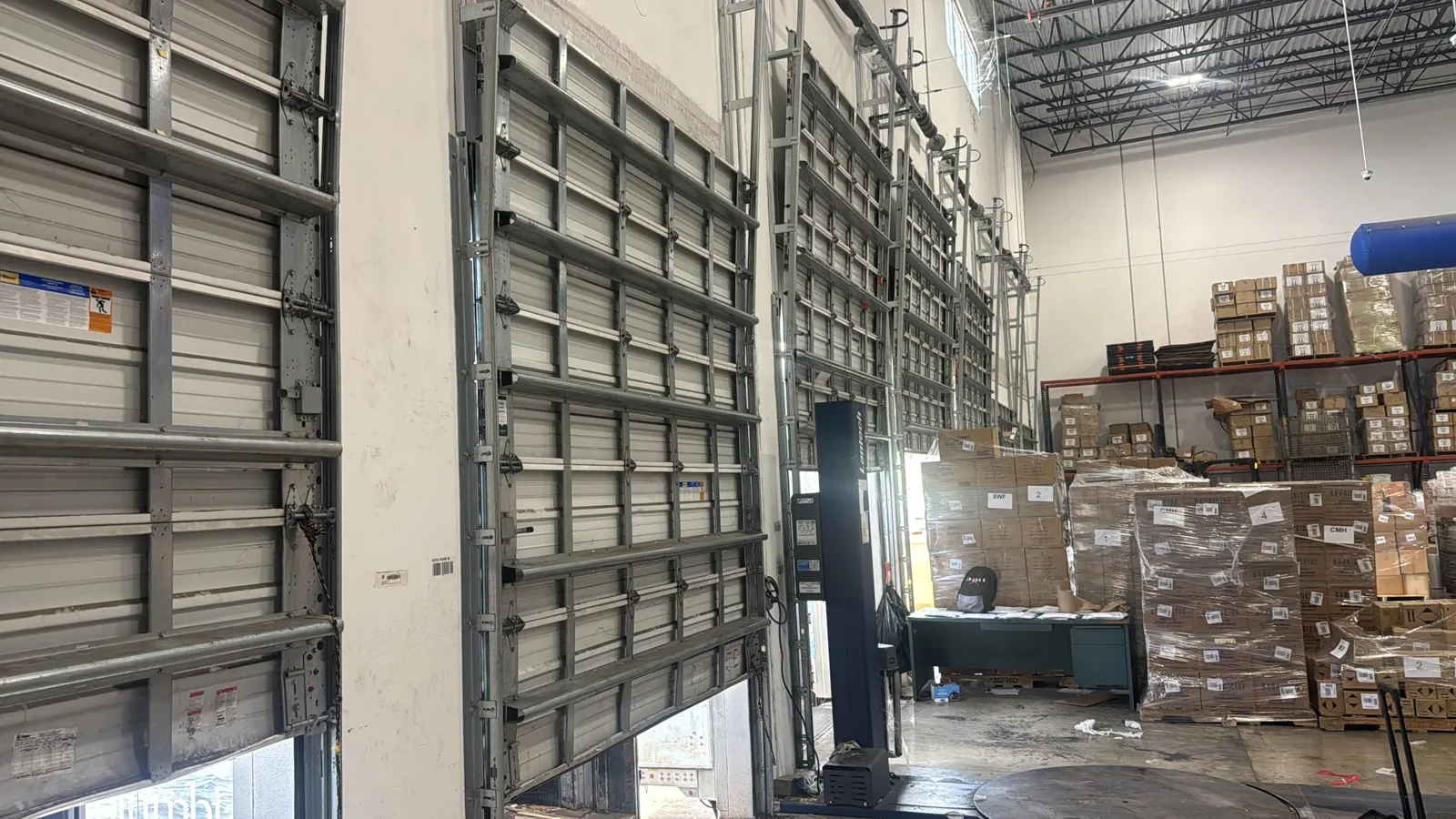
Greater Boston winters cause their own share of closing faults. Snow drifts across the threshold and sets off the sensors; ice packed under the bottom seal stops the door short, and the opener takes that for an obstruction and backs up. Cold stiffens springs and thickens old grease, so the door moves more slowly and the opener may hit its force limit. By the harbour in Winthrop, Revere and Marblehead, sea air corrodes the sensor brackets and wiring terminals and makes rollers stiff in their rails, which adds drag on the way down.
There is also the question of what an open door costs you. Plenty of city homes have a narrow driveway with the garage as the household’s only parking, and a door stuck up overnight leaves the car and anything stored inside open to the street, and, where the garage is attached, an easy way into the house.
Getting it fixed
If you have worked through the safe checks and the garage door won’t close, it is time for a technician. Sensor faults, wiring, limit settings and drive problems are handled through opener repair and replacement, including LiftMaster openers. Springs go to spring repair, cables to cable repair, and a door off its rails to off-track repair. Anything else on the door falls under general garage door repair.
Questions about why a garage door won’t close
Why does the door close when I hold the wall button but not otherwise?
Holding the button overrides the safety sensors on many openers. If that works, the sensors are almost certainly out of line, dirty or wired badly. Realign them, wipe the lenses, and ring us if the fault stays.
Is it safe to close the door manually with the release cord?
Only if the door looks level, the springs and cables look intact, and it moves smoothly by hand. If anything looks wrong with them, leave the release alone and call.
The door closes in summer but not in winter. Why?
Ice and snow on the threshold, stiffer springs and thicker lubricant all add resistance, and the opener mistakes it for something in the way. Clear the threshold first; should it keep reversing, the opener’s settings or the door’s balance probably need a technician’s eye.
Can I adjust the sensors myself?
Yes, gently. Turning a sensor so the two face each other and cleaning the lenses is a safe check. Rewiring or replacing them is better left to a technician.
What if the door is stuck open overnight?
Bolt the inner door between the garage and your living space if you have one, keep valuables out of sight, and call. The line is answered at all hours, so if your garage door won’t close at midnight, you can still report it straight away.
Get the garage shut
Work through the safe checks, and if it still stays up, call us or book online. We pick up at any hour, all week. More fixes for common faults are on the blog.